AEGIS AR Project
Defense B2B AR Terminal
An augmented-reality terminal experience designed for defense-grade B2B environments.
Turning an exhibition logistics constraint into a functional AR product experience for B2B sales and product exploration®.
From a Real Logistics Problem to a Product Opportunity
AEGIS began with a real operational problem I observed while working at Nurol Teknoloji. Products returning from one international exhibition were expected to travel to another, but regional transportation disruptions created difficulties in moving physical samples between events. That situation raised a broader product question: why should presenting complex industrial products at exhibitions depend entirely on transporting the physical products themselves?
I proposed an augmented reality experience that could digitize selected products and make them accessible through mobile devices at exhibitions, sales meetings, and other customer touchpoints. The goal was not to replace physical products in every scenario, but to reduce dependency on physical samples, create an additional B2B communication channel, and allow customers to explore technical products in a more flexible and interactive way.
This idea became AEGIS and later evolved into my graduation project. I approached it as a complete product rather than a visual AR demonstration, considering how customers would access products, understand technical information, interact with 3D assets, and move through the experience with minimal guidance.
Designing and Building the Experience End to End
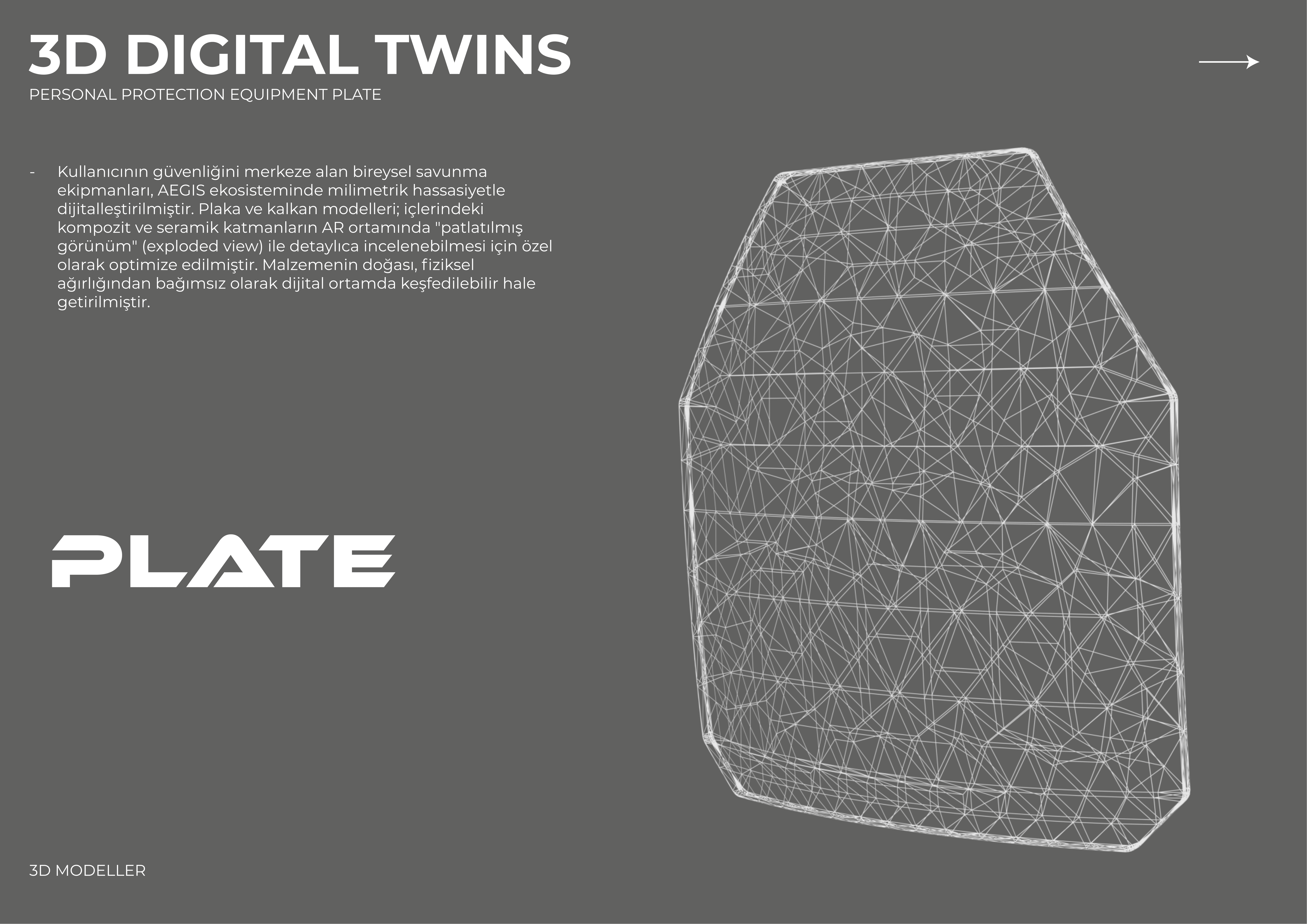
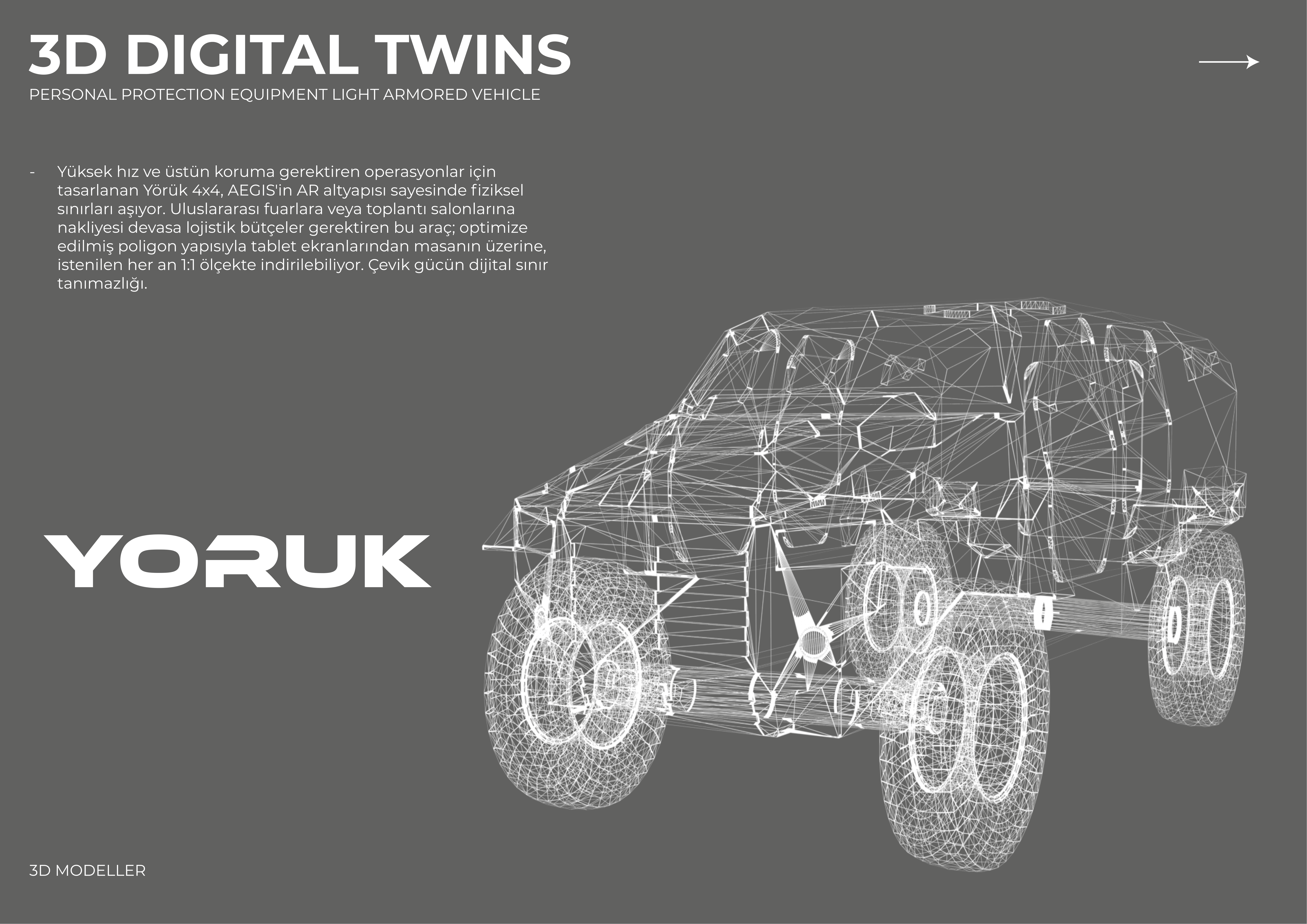
I owned the complete product design and AR development process. The original product models were provided as CATIA files, which I converted into usable 3D assets and reworked by rebuilding and optimizing their topology for real-time use. I then created the AR experience in Unity using Vuforia, handling scene setup, QR-based product recognition, interface design, interaction logic, and most of the required scripting myself.
Each predefined QR code was connected to a specific product. After scanning a code, users could access the corresponding 3D model together with its technical information. I designed the interaction model around simple exhibition use: products could be rotated, zoomed, inspected from different perspectives, and selected to reveal relevant specifications without requiring users to navigate through complex menus.
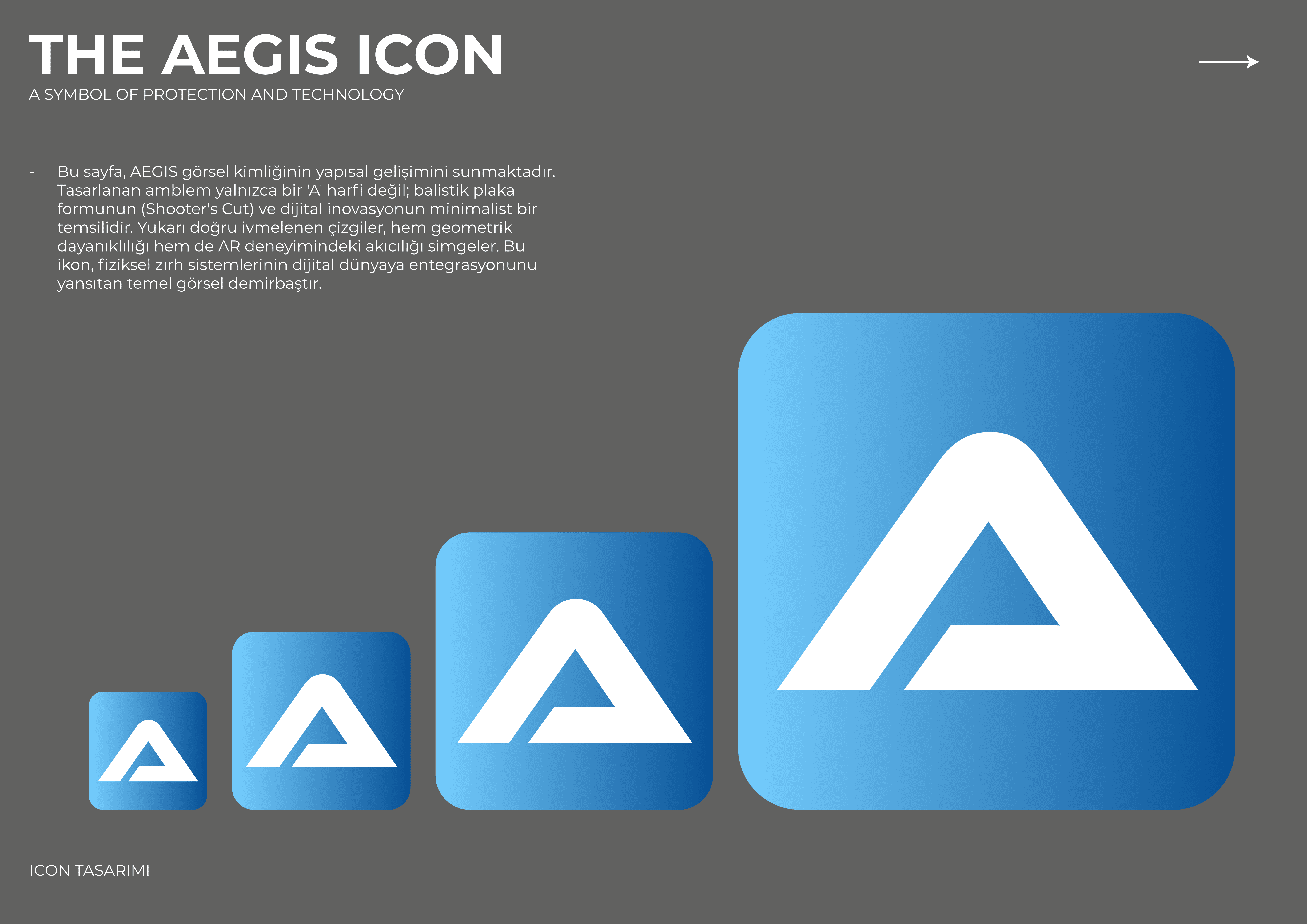
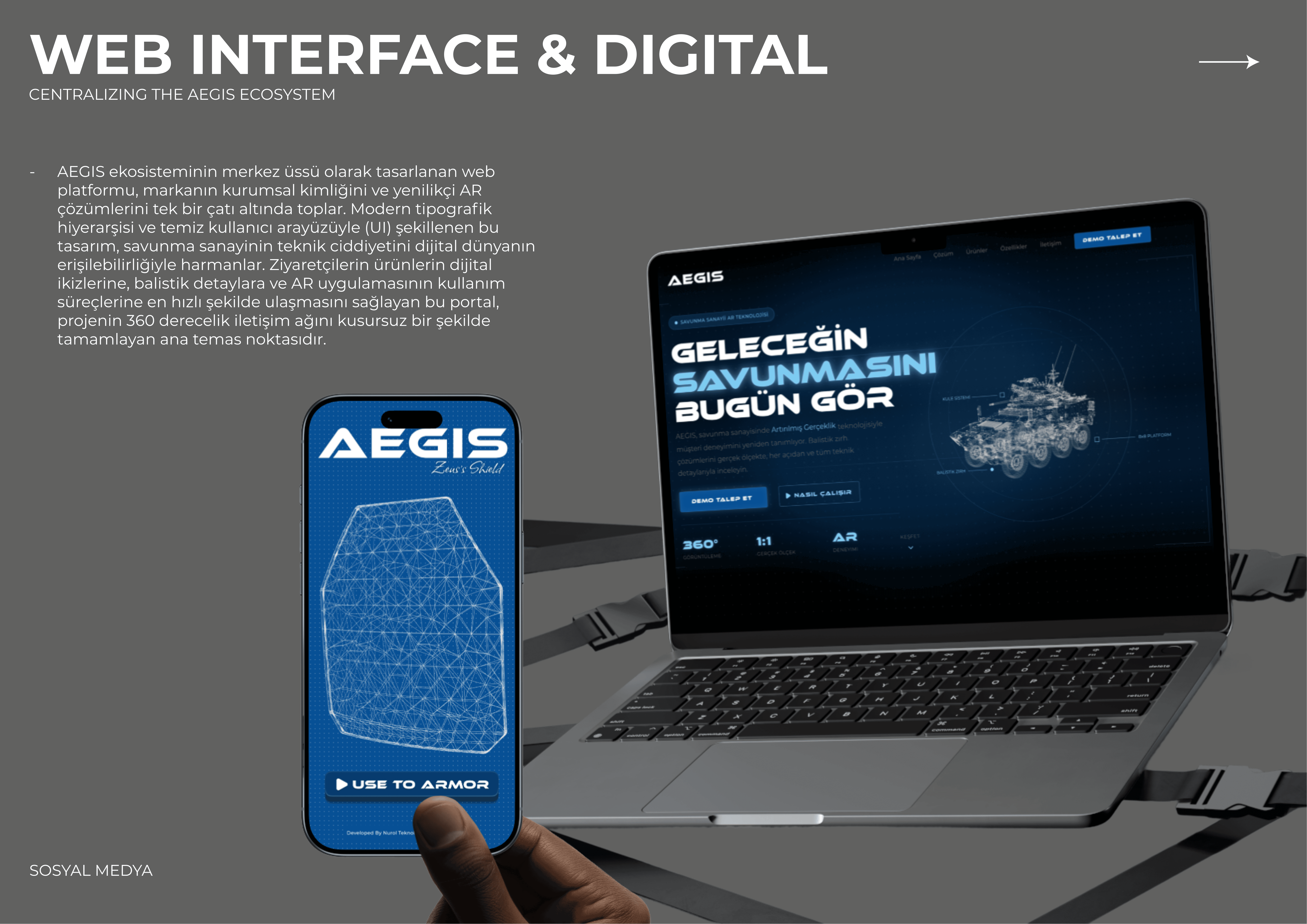
Alongside the core application, I developed the broader product presentation system, including its visual identity, website, social media direction, and communication materials. This allowed AEGIS to function not only as an AR prototype, but as a complete concept for how a new digital B2B product could be positioned, explained, and introduced to customers.
The functional prototype was presented to and tested by the Nurol Teknoloji team, where it received positive feedback. AEGIS ultimately became an exploration of how product design, 3D technology, and augmented reality could reduce physical constraints while creating a new channel for technical product communication.
Role / Ownership
Product Designer & AR Developer · End-to-End Ownership
Status / Technology
Functional Prototype · Unity · Vuforia · Team Tested